Medical Shield Logo: Graphics for Logos
As a brand designer and content marketer, I approach every graphic design asset with a critical eye. It is not just about aesthetics; it is about communication. Recently, I integrated the Medical and Shield Logo Design Vector into a rebranding project for a local wellness clinic launching a new telehealth service. The goal was to convey safety, professionalism, and modern care without falling into the trap of sterile, cold corporate imagery. This review explores how this specific asset performs in real-world marketing scenarios, from social media graphics to printed collateral.
First Impressions and Emotional Tone
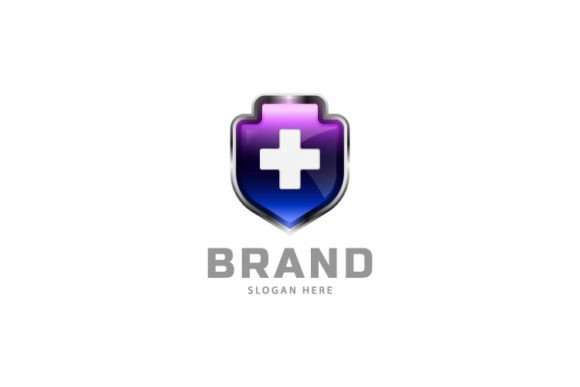
The immediate impact of the Medical and Shield Logo Design Vector is one of stability. The shield motif is a universal symbol of protection, which pairs naturally with medical cross elements to suggest guarded health and reliable care. For brand owners and marketers, this emotional tone is crucial. It does not scream urgency; instead, it whispers trust. This makes it highly suitable for professional branding in sectors like healthcare, insurance, pharmacy, or even security-focused tech startups.
However, the design is versatile enough to avoid looking overly rigid. When I tested it against a soft pastel palette, it retained its authority while feeling approachable. This balance is rare in pre-made Logos and Graphics. It feels appropriate for both casual branding efforts, such as community health workshops, and premium visuals for high-end private practices. The clean lines ensure it does not look messy, maintaining a polished appearance that supports audience trust from the first glance.
Performance Across Marketing Channels
A true test of any digital product is its adaptability. I deployed this asset across multiple touchpoints to evaluate its versatility. Here is how it performed in various contexts:
- Social Media Graphics: On Instagram and Pinterest, the vector scaled beautifully. As a central element in carousel posts explaining health tips, it provided a clear visual anchor. The PNG design option allowed for easy overlay on photographic backgrounds without harsh white boxes, keeping the feed visually cohesive.
- Digital Ads and Web Design: For Facebook ads and website headers, the crisp edges of the SVG design ensured clarity on high-resolution retina displays. It supported stronger visual hierarchy by drawing the eye to the brand name without competing with the call-to-action button.
- Print and Packaging: We used the Ai and Eps files for product labels on supplement bottles and brochure covers. The vector format meant zero pixelation, even when scaled up for large event posters. This is essential for maintaining a professional appearance in physical marketing visuals.
- Email Banners: In newsletter headers, the logo served as a trustworthy badge next to promotional offers. It helped improve engagement by reinforcing brand recognition before the reader even processed the text.
This flexibility makes it a valuable addition to any design bundle for small business branding. Whether you are creating a media kit, designing stickers for merchandise, or building Canva templates for clients, the asset holds up under scrutiny.
Strategic Branding Benefits
Why choose this specific illustration over a custom commission? For many creative entrepreneurs and online coaches, speed and consistency are key. The Medical and Shield Logo Design Vector supports several critical marketing goals:
- Stronger First Impression: A polished logo signals legitimacy. In crowded digital marketplaces, this asset helps your brand stand out as established and serious.
- Consistent Brand Identity: By using the same vector across blog graphics, lead magnets, and social posts, you create a unified visual language. This consistency builds memory structures in the audience’s mind.
- Emotional Connection: The shield element subtly communicates care and protection. For healthcare providers or wellness brands, this fosters an emotional connection that pure text cannot achieve.
- Professional Appearance: Poorly scaled or pixelated images damage credibility. Having access to high-quality clipart and vector files ensures your commercial design materials always look sharp.
Ideal Use Cases and Limitations
While versatile, this asset is not a one-size-fits-all solution. Understanding where it shines and where it might struggle is part of responsible content marketing.
Where it works best:
- Hero graphics for landing pages focused on safety or reliability.
- Campaign headers for seasonal health checks or vaccination drives.
- Packaging accents for pharmaceutical or wellness products.
- Decorative brand elements in editorial layouts or whitepapers.
Where to use caution:
- Dense Information Layouts: If your design is already text-heavy, adding this logo might clutter the space. Ensure ample white space around the asset.
- Low-Contrast Backgrounds: Test the logo on busy patterns. It may get lost if the background colors are too similar to the logo’s palette.
- Overly Minimal Brands: If your brand identity relies on extreme minimalism, the detailed shield might feel too ornate. Consider simplifying or using it only in secondary materials.
- Small Mobile Graphics: While vectors scale, intricate details can become muddy at very small sizes. Always preview on mobile screens to ensure readability.
Practical Designer Notes for Implementation
Before integrating the Medical and Shield Logo Design Vector into your next campaign, follow these practical steps to maximize its impact:
First, test it with your brand color palette. Do not assume the default colors will work. Adjust the hues to match your existing brand identity. Check how it looks in black and white to ensure it remains recognizable without color reliance. This is crucial for faxed documents, embossed stamps, or single-color printing.
Second, pair it thoughtfully with typography. I found that this logo pairs well with clean sans serif fonts for a modern look, but also holds its own against sturdy serif fonts for a more traditional, authoritative feel. Avoid overly decorative script fonts that might clash with the geometric precision of the shield.
Third, review spacing and balance. Give the logo breathing room. Crowding it with other design assets diminishes its power. Use it as a focal point, not just filler.
Finally, confirm commercial licensing. Since you are receiving Ai, Eps, Png, Jpg, and Svg files, ensure your usage aligns with the license terms, especially if you are using it for client work or paid campaigns. This creative marketplace find is a powerful tool, but legal compliance is non-negotiable for professional branding.
In conclusion, the Medical and Shield Logo Design Vector is a robust resource for anyone needing to convey trust and protection visually. It bridges the gap between generic stock imagery and expensive custom design, offering a middle ground that supports high-quality visual content creation. For small business owners and designers alike, it is a worthy investment in your visual toolkit.