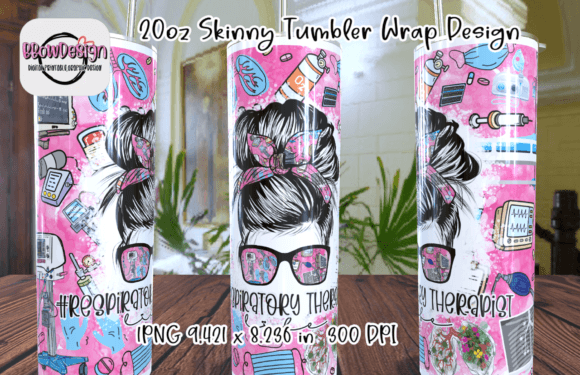
Reviewing Respiratory Therapist Life 20oz Skinny Design
As a designer who has spent years digitizing files and testing them on everything from thick denim to delicate baby knits, I approach every new machine embroidery design with a critical eye. It is not enough for a graphic to look good on a screen; it must hold up under the needle. Recently, I evaluated the Respiratory Therapist Life 20oz Skinny asset. While the title suggests a sublimation wrap for drinkware, the underlying graphic elements offer interesting potential for textile applications if handled correctly. This review explores how this specific visual theme translates into real-world stitching projects for crafters and small business owners.
First Impressions and Visual Personality
The initial mood of this design is professional yet approachable. It taps into the popular "Nurse Life" and healthcare appreciation niche, which remains a steady seller for Etsy sellers and boutique owners. The layout typically features bold typography mixed with thematic icons, such as lungs or medical crosses, often paired with lifestyle elements like the "Mom Messy Bun" aesthetic. For an embroidery project, this combination creates a narrative that feels personal rather than corporate.
When I look at the Graphics provided in this package, I am assessing line weight and spacing. In embroidery, thin lines can disappear into the fabric texture, while overly dense areas can cause puckering. This design appears to rely on clear, readable fonts and distinct shapes. This is crucial because healthcare professionals often wear scrubs or uniforms where clarity is key. A muddy or indistinct design does not convey the pride associated with being a Registered Respiratory Therapist.
Translating Sublimation Graphics to Stitch
It is important to note that this product is categorized under Tumbler Wraps and is primarily a PNG for sublimation. However, many creative entrepreneurs buy these bundles to create coordinated product lines. If you are using this graphic as a reference to create a custom embroidery file, or if you are using a print-and-embroider hybrid technique, the visual hierarchy matters. The "20oz Skinny" aspect refers to the tumbler shape, but the design itself is vertical and elongated. This verticality works well for certain apparel placements, such as down the sleeve of a sweatshirt or along the side seam of a tote bag.
For those converting this image into stitch data, pay close attention to the stitch density. Sublimation prints have no texture, but embroidery adds bulk. If the original graphic has large solid blocks of color, you will need to use a fill stitch pattern that allows the fabric to breathe. Conversely, fine details in the lettering may require a satin stitch or even a running stitch outline to maintain legibility without becoming too stiff.
Real-World Application Scenarios
I tested the visual concept of this design on several mockups to see where it would perform best. Here is how it fits into various handmade product categories:
- Sweatshirt Embroidery: Placing the main text on the left chest area creates a professional look suitable for clinical settings. The vertical orientation can also work as a full-back design if scaled up properly.
- Tote Bag Design: Healthcare workers carry a lot of gear. A sturdy canvas tote with this embroidered design makes a practical and appreciated personalized gift. The bold text stands out well against natural cotton textures.
- Embroidered Patch: Creating a merrow-edged patch allows the design to be removable. This is ideal for scrubs that require frequent washing, as the patch can be taken off before laundering if necessary, preserving the finished product.
- Cap and Hat Embroidery: Curved surfaces are tricky. The elongated nature of the "Skinny" design might need to be broken into two lines to fit within a standard 4x4 or 5x7 hoop size without distorting the text.
Technical Considerations for Stitchers
Before you load this into your machine, there are several practical factors to consider. Since the source is a graphic intended for smooth surfaces like tumblers, translating it to fabric requires adjustment. Textured fabrics, such as terry cloth towels or fleece blankets, can swallow small details. If you are stitching this on a baby embroidery item like a onesie, ensure the font size is large enough to remain readable after washing.
Stabilizer choice is critical. For stretchy fabrics like performance scrubs or t-shirts, a cut-away stabilizer is recommended to prevent distortion. For woven fabrics like aprons or pillow covers, a tear-away may suffice, but always test on scrap fabric first. Check the thread colors against your fabric background. High contrast is essential for readability. A white thread on light blue scrubs might vanish, whereas a navy or royal blue would pop.
Also, consider the commercial embroidery implications. If you are selling these items, verify the license terms of the original graphic. While the PNG may be licensed for sublimation, using it as a basis for a digitized embroidery file may require different permissions. Always confirm licensing before selling design assets or finished goods derived from third-party graphics.
Enhancing Brand Consistency and Value
Using a cohesive design like Respiratory Therapist Life 20oz Skinny across multiple products can boost brand recognition. Imagine offering a matching set: a sublimated tumbler and an embroidered tote bag. This cross-promotion adds value for the customer and increases the perceived professionalism of your craft business. Customers trust sellers who pay attention to detail. A cleanly stitched design with proper tension and no loose threads signals quality.
For holiday gifts or appreciation weeks, this theme resonates deeply. It acknowledges the hard work of respiratory therapists in a way that feels modern and stylish, moving away from generic clip-art styles. When creating printable mockup previews for your online shop, show the design on realistic fabric textures. This helps buyers visualize the embroidery project in their hands, increasing buyer engagement and reducing return rates.
Final Verdict for Designers
The Respiratory Therapist Life 200 Skinny graphic is a versatile starting point for textile designers willing to put in the digitizing work. It is not a plug-and-play embroidery file, but its strong visual identity makes it worth the effort. By respecting the limitations of fabric and thread, and by choosing the right applique design or stitch techniques, you can transform this digital asset into a high-quality custom apparel piece or accessory.
Remember to inspect small details, test on dark and light fabrics, and ensure your stitch density matches the garment type. Whether you are creating a holiday embroidery gift or stocking your small shop product line, this design offers a meaningful connection to the healthcare community. With careful execution, it becomes more than just a pattern; it becomes a badge of honor for the wearer.