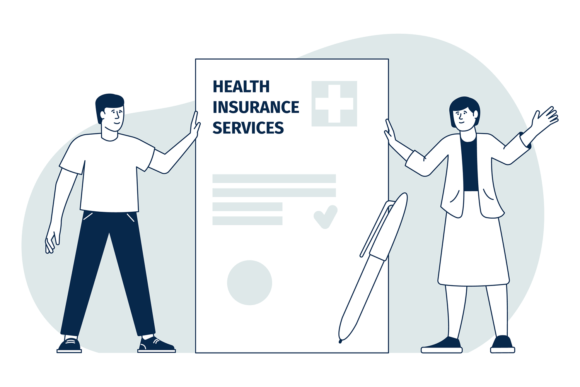
Reviewing Telemedicine Illustration Set for Stitch
As a designer who spends half my life digitizing and the other half staring at hoop marks on my kitchen table, I have learned to look past the glossy preview images. When I first opened the Telemedicine Illustration Set, my initial reaction was cautious optimism. We see a flood of medical-themed assets lately, but most are too complex for thread or too sterile for the warm, human touch that defines a successful handmade product. This collection, described as a flat concept vector set for online medical services, presents a unique challenge and opportunity for those of us working in commercial embroidery.
The Visual Personality and First Impressions
The mood here is approachable. The 2D cartoon characters are not clinical; they are friendly. For an embroidery project, this is crucial. Patients and clients do not want cold machinery stitched onto their custom apparel; they want care. The clean lines and white backgrounds in the preview suggest low visual noise, which translates well to thread if handled correctly. However, because these are originally web design assets, they lack the inherent structural integrity of a purpose-built machine embroidery design. This means the burden of translation falls on you, the maker.
I immediately thought about a recent request for a local clinic’s staff appreciation gifts. They wanted something modern but not corporate. The Telemedicine Illustration Set fits that niche perfectly. The shapes are bold enough to survive the puff of a satin stitch or the texture of a fill stitch, provided you simplify the tiniest details. If you are an Etsy seller looking to expand into the healthcare niche, these graphics offer a fresh alternative to the standard caduceus or heart-rate line motifs.
Real-World Application: From Screen to Fabric
Let’s talk about a specific scenario. Imagine you are preparing a custom tote bag design for a telehealth startup’s conference swag. Tote bags are usually made of canvas or heavy cotton, which can handle higher stitch density. Using elements from this set, you could create a charming scene of a doctor and patient connecting via screen. Because the original files are vectors, you have the freedom to scale them. But beware: scaling up a web graphic does not automatically make it embroidery-ready.
For a sweatshirt embroidery project, the softness of the fleece requires a different approach. You would need to reduce the density significantly to prevent the fabric from puckering. The cartoon style of the Illustrations works in your favor here. You can replace intricate shading with solid blocks of color, using fewer thread changes to keep production costs down. This is vital for small shop owners who need to balance artistic integrity with profit margins.
Consider also a baby embroidery item, like a onesie or a burp cloth. Parents love the idea of tech-enabled care, but the design must be gentle. The rounded edges of these characters are safe and appealing. However, you must ensure that no small, isolated stitches create scratchy points against sensitive skin. A smooth running stitch outline might be better than a dense fill for smaller elements.
Navigating Technical Challenges
While the aesthetic is strong, the technical execution requires vigilance. These are Graphics intended for screens, not needles. Here is where practical judgment comes in.
- Hoop Size Constraints: If you are working with a 4x4 inch hoop, you cannot fit the entire scene. You must isolate single characters or key icons. Trying to cram too much detail into a small space will result in a muddy, indistinct blob.
- Fabric Texture: On textured fabrics like terry cloth towels or pique polos, fine details disappear. The flat style of the Telemedicine Illustration Set helps, but you should still test on scrap fabric. What looks crisp on a monitor may get lost in the pile of a towel.
- Dark Fabrics: The original assets are on white. If you are stitching on navy scrubs or black caps, you need to plan for underlay. A bright white satin border can help pop the colors, but it adds width to the design. Always check how the thread colors contrast against your base material.
- Curved Surfaces: Embroidering on a cap is tricky. The distortion caused by the curve can warp the proportions of these cartoon characters. Keep the design small and centered, and avoid placing critical details near the edge of the hoop.
Enhancing Brand Value and Customer Trust
Using high-quality, coherent visuals like this set elevates your finished product. It signals professionalism. When a customer receives a personalized gift or a piece of custom apparel that looks intentional and well-designed, their trust in your brand grows. This is especially true for B2B clients, such as clinics or tech startups, who are particular about their image.
For digital product sellers, these assets can be used in printable mockup scenes to showcase your embroidery services. Even if you are not selling the digital file itself, using these design assets in your marketing materials can attract clients who value modern, clean aesthetics. It helps you stand out in a saturated market of traditional floral or monogram-focused shops.
Practical Notes for the Embroidery Designer
Before you commit to a full production run, follow these steps:
- Test on Scrap: Never skip this. Stitch the design on the same type of fabric you intend to use for the final item. Check for puckering, thread breaks, and registration issues.
- Check Licensing: The product description mentions it is for web design and presentations. You must confirm if the license allows for use in physical goods for sale. Do not assume. Contact the creator or read the terms carefully before selling items made with these Illustrations.
- Simplify Details: Web graphics often have anti-aliased edges that do not translate to thread. You may need to manually adjust the digitizing to create clean, sharp paths for the machine.
- Stabilizer Choice: For stretchy fabrics like t-shirts, use a cut-away stabilizer. For woven fabrics like tote bags, a tear-away may suffice, but hooping firmly is essential to maintain the geometry of the cartoon figures.
- Color Strategy: Limit your palette. While the original set may have many colors, embroidery looks best with 3-5 distinct thread colors. Too many changes increase production time and the risk of errors.
The Telemedicine Illustration Set is a promising resource for the modern maker. It bridges the gap between digital health concepts and tangible, comforting crafts. With careful digitizing and thoughtful material selection, it can become a staple in your portfolio of holiday embroidery gifts, corporate orders, and boutique merchandise. Just remember: the screen forgives complexity, but the needle demands clarity.